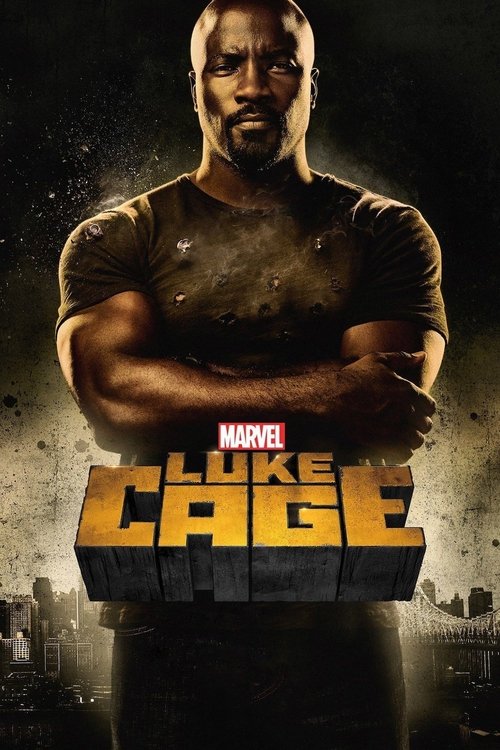
11 books on screen26 episodes, 6 with booksCreated by Cheo Hodari Coker
Two seasons of Harlem, seen through a bulletproof man who keeps a stack of paperbacks by his bed. Showrunner Cheo Hodari Coker named every episode after a Gang Starr or Pete Rock & CL Smooth song and put Ellison, Himes, Mosley and Morrison in the characters' hands. Coker wrote a Biggie biography before he ran a TV show, so the reading list was never going to be an afterthought.
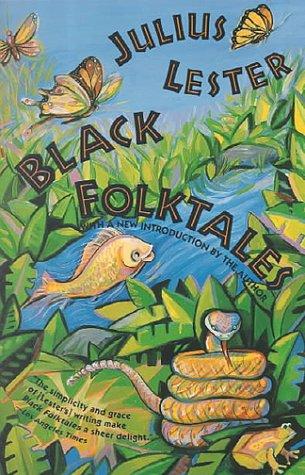
Same bed, same episode, and one spine in the pile belongs to Julius Lester. Book Riot read it as Black Folktales, his 1969 collection. Black Nerd Problems' Luke Cage Syllabus puts a Lester book on that bed too.
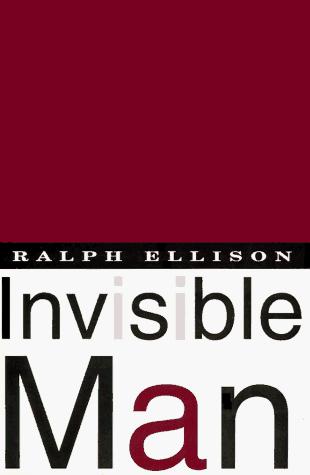
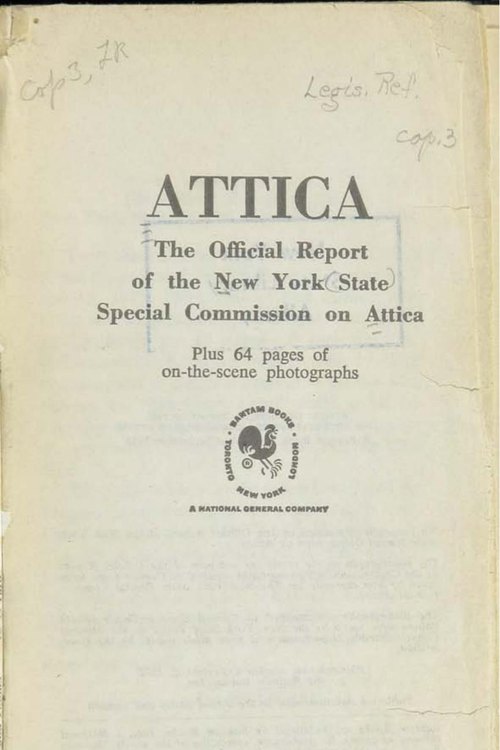
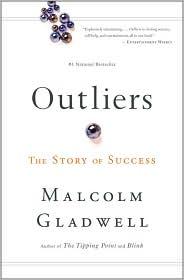
Episode one puts Luke on the edge of his bed with a pile of books, and Ralph Ellison's Invisible Man is the one he picks up. Next to it sits New York State's official report on the 1971 Attica uprising, a heavy choice for a man who escaped from prison himself. Then there's Malcolm Gladwell's Outliers, a whole book about how much of success comes down to circumstance. Luke spends season one trying not to be noticed, and the first book he reaches for is narrated by a man nobody sees.
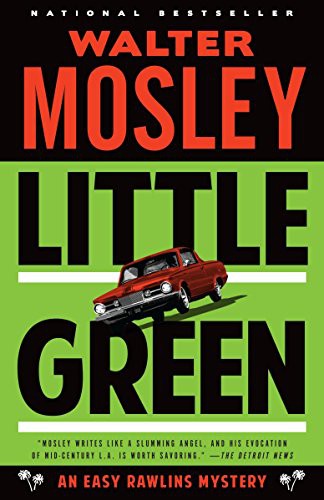
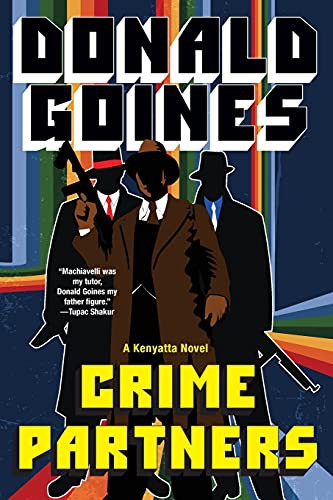
Episode two opens with Luke in Pop's chair reading Walter Mosley's Little Green, and the shop turns into a book club. Luke admits he never got into Donald Goines. Pop answers that Goines invented Kenyatta, and he says it like the argument is over. (AAIHS wrote a whole essay on this exchange, which tells you how much is packed into it.) Tone shoots Pop later in the same episode, so a debate about crime novels turns out to be one of his last scenes.
Diamondback is Luke's half-brother, the man who framed him and got him sent to Seagate. He quotes the Bible through most of the season, and in DWYCK he cites Robert Greene's The 48 Laws of Power too. Law 15 in Greene's book is crush your enemy totally. Watch what he does to Harlem and it's clear which text he's following.
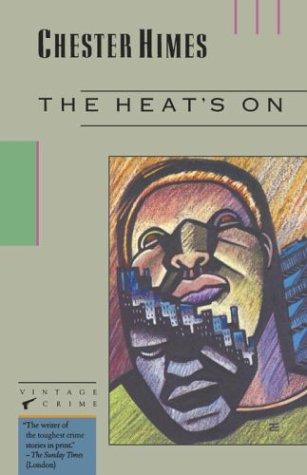
The season ends with Luke in the custody of US Marshals, headed back to Seagate, and one of them is reading Chester Himes's The Heat's On. Luke recognizes it, and the two of them end up talking crime fiction, down to whether Luke has read Michael Connelly's Harry Bosch novels. Eleven episodes after the argument in Pop's chair, the season closes on another one, this time on the way back to prison.
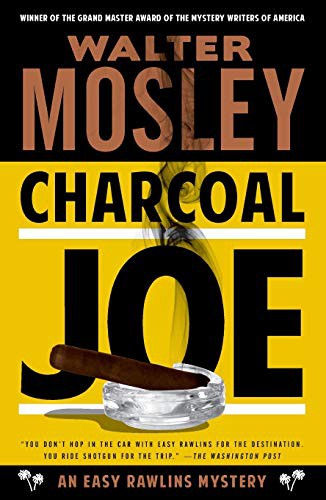
Same episode, Luke is on the couch with Claire Temple when he closes Walter Mosley's Charcoal Joe. A season earlier he was reading Little Green in Pop's chair. That's two Easy Rawlins novels published three years apart, which makes Luke a series reader. He skipped Rose Gold, the 2014 book in between, and nobody on the show calls him on it.
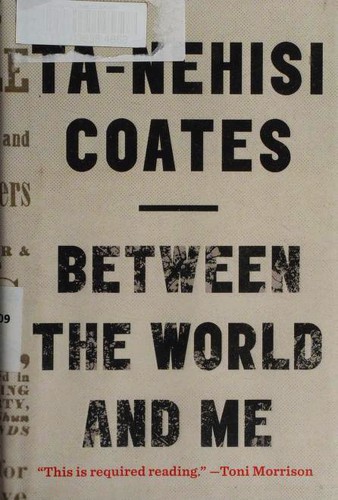
Season two opens with Luke famous all over Harlem, and the book in his hands is Ta-Nehisi Coates's Between the World and Me. (The Luke Cage Syllabus caught it in the premiere.) Coates's book is about the danger of living in a Black body in America. Luke is the one man in Harlem who's bulletproof, and he's still reading it.
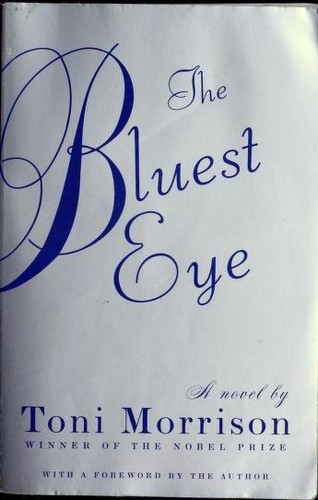
The Creator flashes back to Mariah in Jamaica in the 1980s, reading Toni Morrison's The Bluest Eye by a pool. The Luke Cage Syllabus points out that colorism comes up in dialogue in the same episode. Morrison's first novel follows Pecola Breedlove, an eleven-year-old who prays for blue eyes because she believes they would make her loved. The episode is about where Mariah's hardness came from, and the writers put in her hands the book about how that kind of damage gets made.